FROM LOCAL TO GLOBAL PRODUCTION
I was tasked with replicating 12 existing footwear models originally developed and manufactured in Argentina into a new production environment in Asia.
The challenge was to achieve identical product quality and performance while working with new suppliers, materials and manufacturing systems.
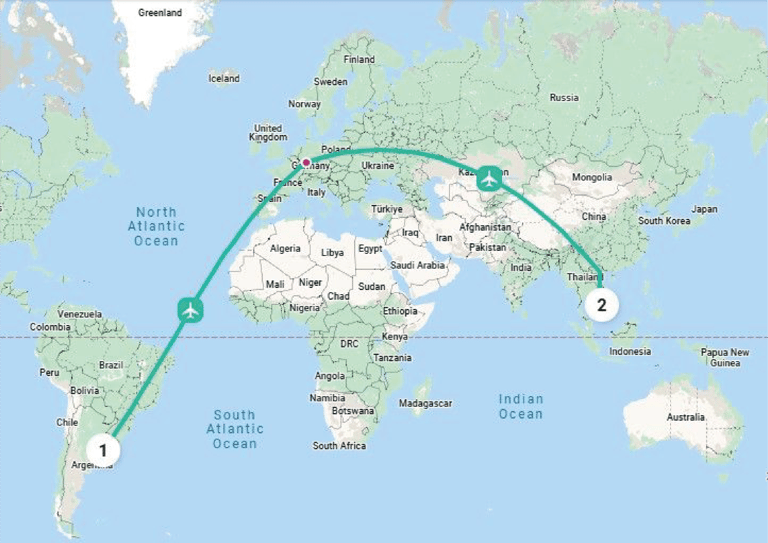
12 styles replicated
7.5 months from kickoff to warehouse delivery
35% cost reduction vs. local production
3 factories evaluated
Goals
Ensure visual and functional parity across all SKUs
Deliver products within an 9-month timeline
Reduce production costs by 35–40%
Establish a scalable development process for future production
My Role
Led the end-to-end product development process
Defined and standardized technical documentation
Evaluated and selected manufacturing partners
Coordinated cross-functional teams across regions
Worked on-site with factories to ensure development accuracy and production quality
Aproach
To ensure consistency and efficiency across all SKUs and suppliers, I structured the development process around standardization, validation and continuous follow-up.
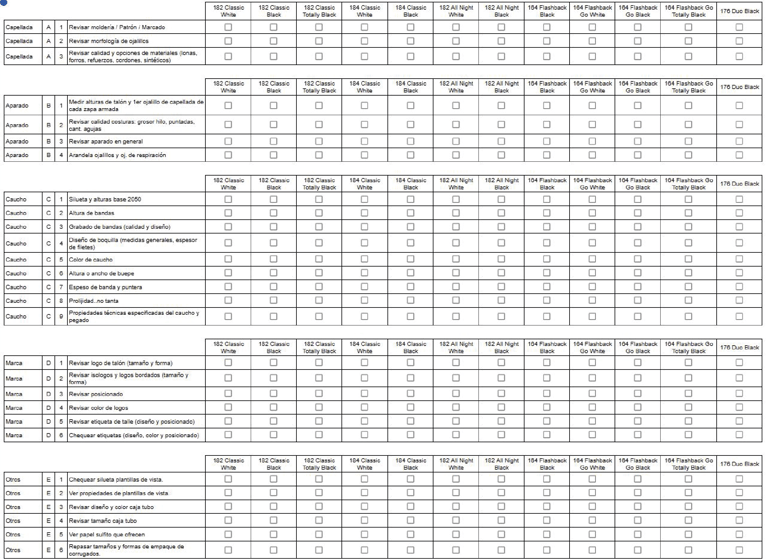
Developed master tech packs for all models
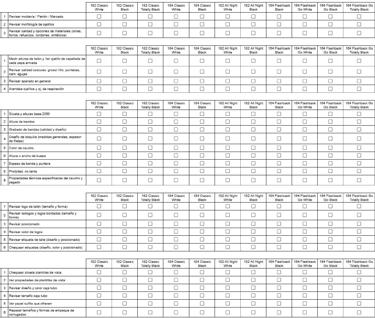
Created a supplier playbook including QC standards and testing protocols
Managed parallel development across three factories
Led weekly development follow-ups with factory teams
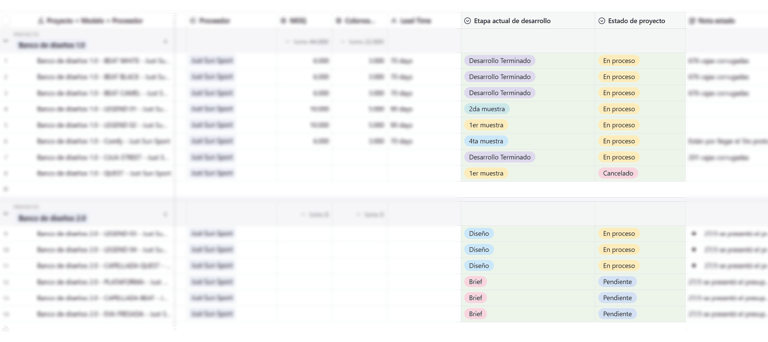
Centralized tracking through a single collection database
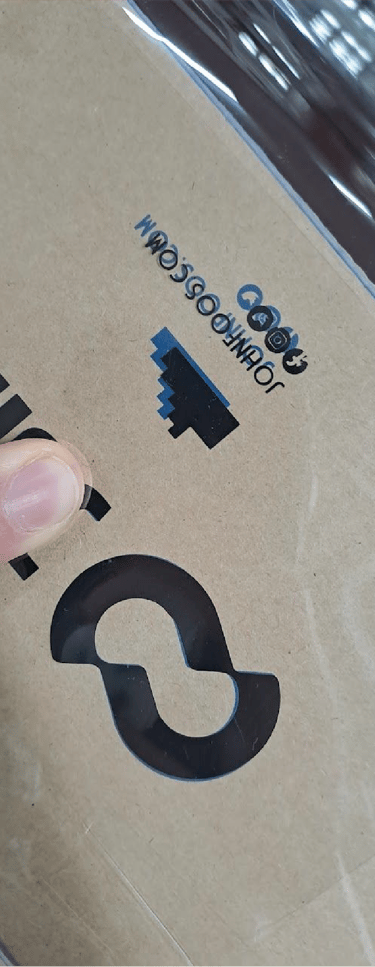
Factory Evaluation & Selection
To select the best long-term partner, three factories were evaluated based on:
Price competitiveness
Quality of first confirmation sample
Geographic advantage for logistics and scaling
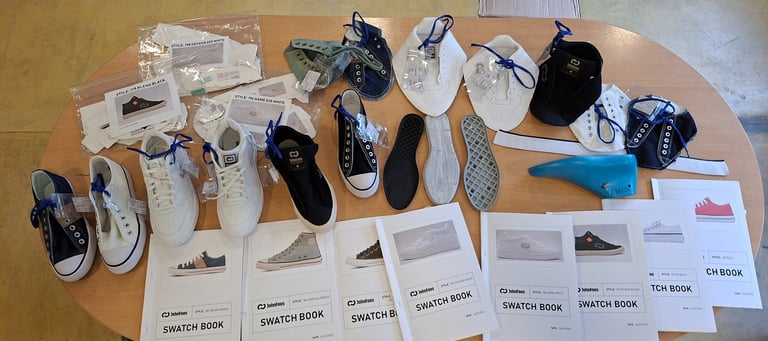
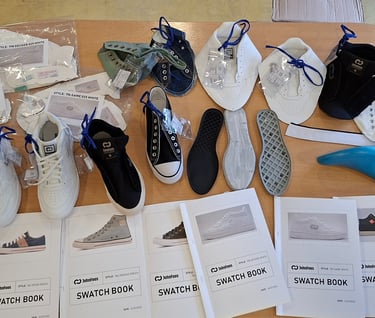
Each factory developed CFM samples in parallel. After reviewing results, I conducted an on-site evaluation to select the best option.
One factory was chosen as the official partner based on superior balance of cost, quality, and scalability.
On-Site Development
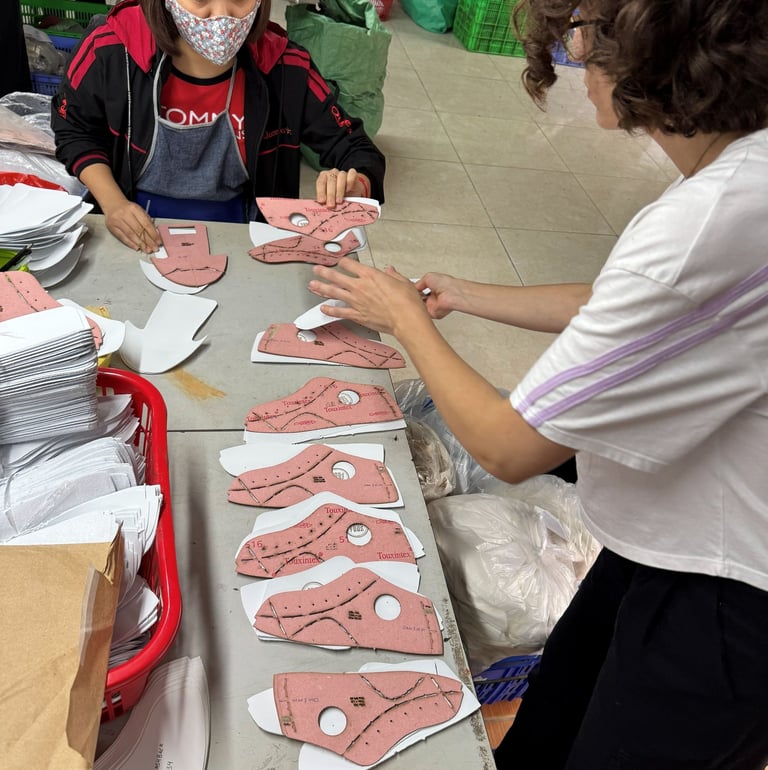
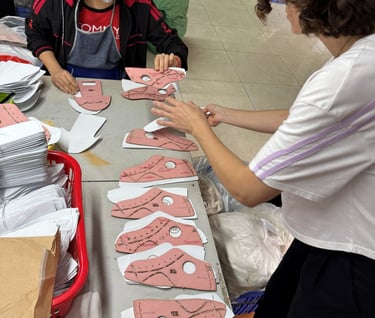
I conducted two on-site visits to ensure alignment between development and production.
Key actions included:
Auditing factory capabilities and development processes
Adjusting patterns, materials and product specifications
Training teams on critical construction processes (strobel stitching, foxing alignment, bonding)
Defining quality standards and process control parameters
Supporting the first production runs directly on the factory floor
Key Decisions
Prioritized scalability and consistency over short-term cost in factory selection
Standardized documentation to reduce iteration cycles
Implemented hands-on training to close execution gaps
Centralized communication to ensure alignment across teams and suppliers
Results
35% reduction in production costs
Full product parity with original SKUs
7.5 months total development and production timeline
Successful transition to an international manufacturing model
This project established a repeatable framework for global product replication, enabling the brand to scale production internationally while maintaining quality, efficiency and consistency.
Let’s build products together
From idea to production. Let’s connect
Contact
+54-9-221-5238823
© 2026. All rights reserved.